Hands-On USACE and State Basic Wetland Delineation Training
Field-based instruction in USACE and state protocols for determining wetland presence and boundaries.
$1,400 per participant. I travel to a regional hub near your team for hands-on assessments of local wetland systems.
This course provides comprehensive instruction in the knowledge and field skills required to delineate wetlands in accordance with U.S. Army Corps of Engineers (USACE) protocols and commonly adopted state and local methodologies.
The training:
Covers the applicable Regional Supplement to the USACE Wetland Delineation Manual
Addresses current federal protocols for identifying the presence and boundaries of Waters of the United States
Reviews key regulatory developments, including the SWANCC, Rapanos, and Sackett Supreme Court decisions, major U.S. Supreme Court decisions that shaped how the federal government defines and regulates “Waters of the United States” (WOTUS) under the Clean Water Act.
Meets training requirements commonly specified by state Departments of Transportation for contractors performing wetland delineations
Provides approximately 2.6 semester hours toward the specialized training required for Professional Wetland Scientist (PWS) certification through the Society of Wetland Scientists
Includes all core material from the USACE Wetland Delineator Certification Program, plus additional applied wetland management topics relevant to consultants, engineers, developers, land managers, and regulatory staff
Supports qualification as a competent wetland delineator for agency and consultant listings, where applicable
Is appropriate for beginners, practitioners with limited experience, and experienced professionals seeking a refresher
Course Format:
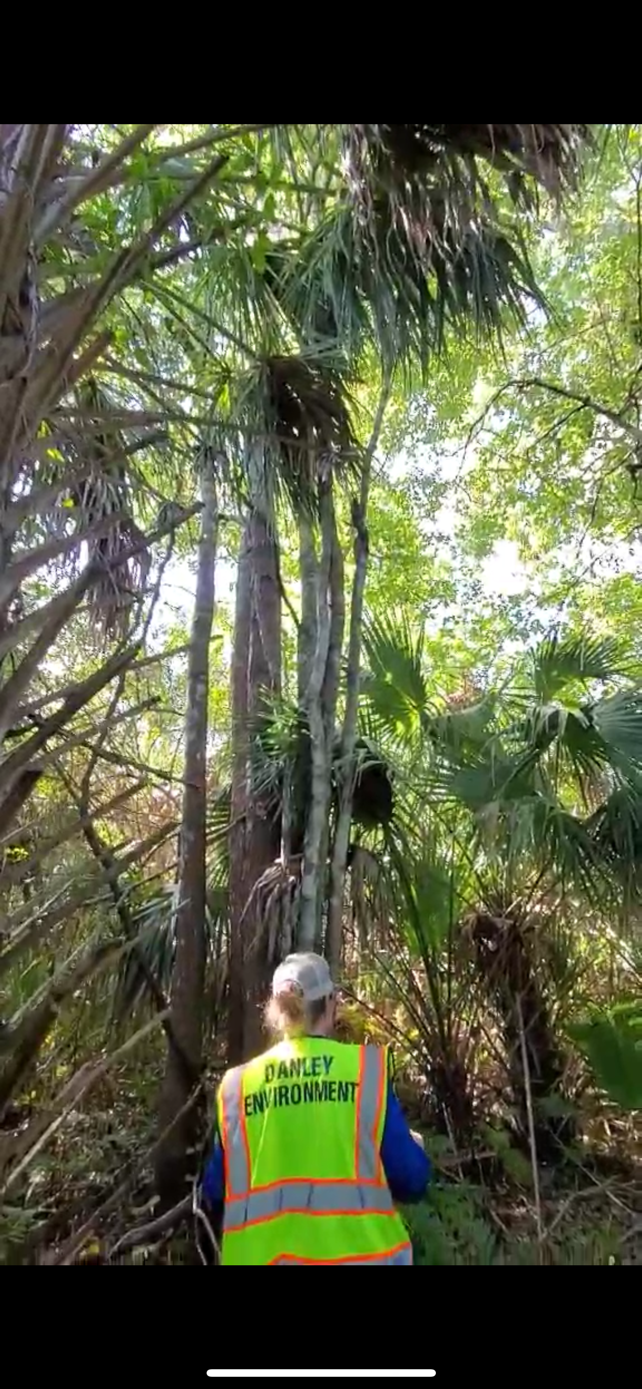
Four-day program consisting of approximately 50% classroom instruction and 50% hands-on field training
Learning Outcomes
Upon completion of this training, participants will have the skills and knowledge to be able to:
Evaluate whether a site meets hydrophytic vegetation criteria after identifying dominant plant species
Assess wetland hydrology using in-field indicators
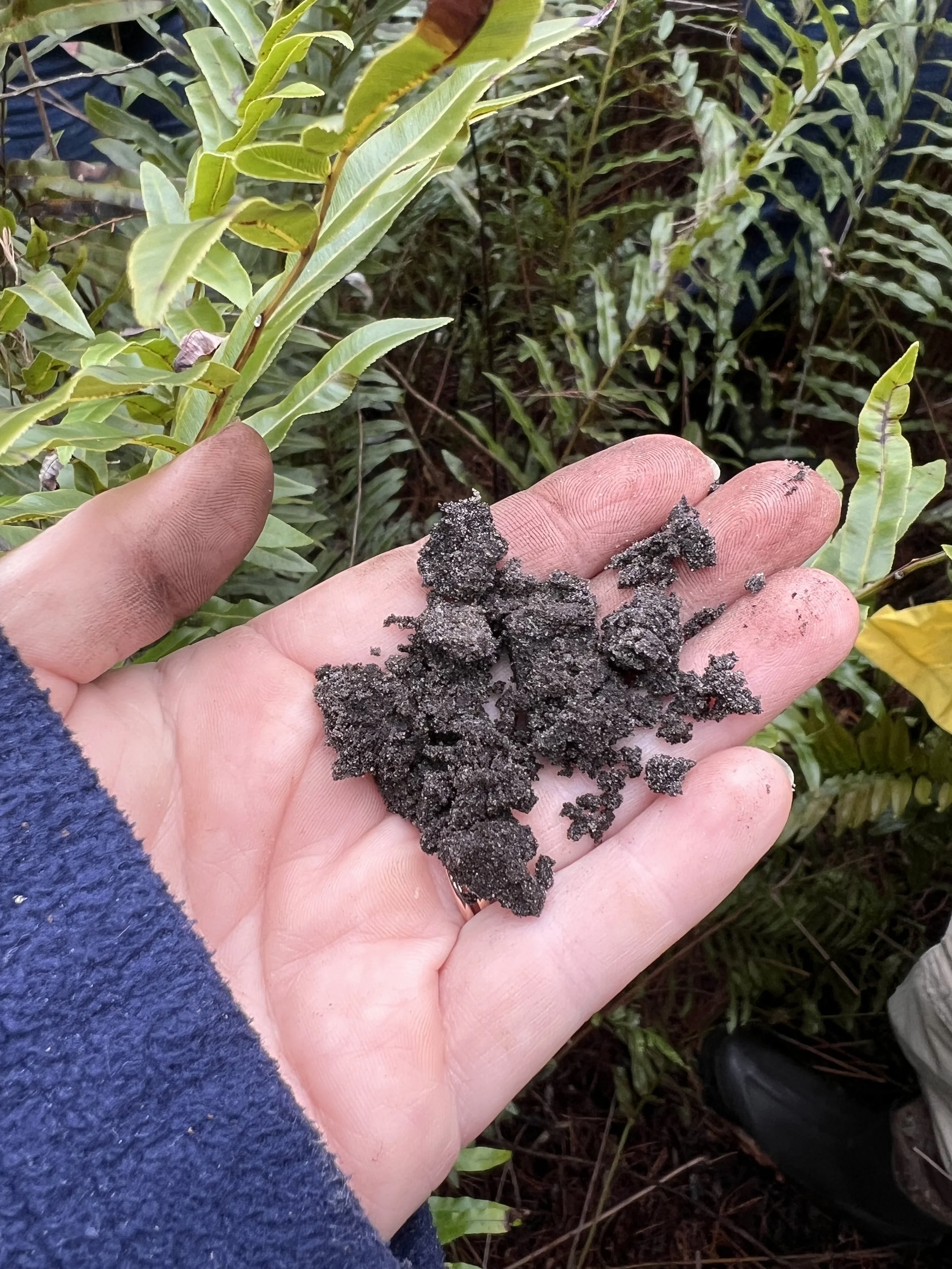
Identify hydric soils based on field observations and soil indicators
Understand the biological, chemical, and physical processes that define wetland systems
Apply wetland delineation principles across different regions and ecological settings
Determine whether a site qualifies as a wetland
Delineate wetland boundaries using accepted federal protocols
Evaluate whether a waterbody meets the definition of Waters of the United States under current regulatory guidance
Topics of the Danley Environmental Wetland Course
Core concepts and field skills for accurate delineations.
Introduction to the 1987 USACE Wetland Delineation Manual
History of U.S. wetland regulations and Section 404 authorization
Evolution of WOTUS definitions and key legal decisions (SWANCC, Rapanos, Sackett)
Overview of past USACE delineation manuals (1987, 1989, proposed 1991)
Introduction to wetland hydrology, hydrophytic vegetation, and hydric soils
Growing season determination and wetland classification systems (Cowardin, NWI)
Vegetation sampling methods, strata, and dominance tests (including the 50/20 rule)
Determination of prevalent vegetation and prevalence index
Primary and secondary field indicators of wetland hydrology
Soil surveys, soil taxonomy, and hydric soil development
Oxidation–reduction processes and identification of redox features
Application of A, S, and F hydric soil indicators
Soil color interpretation and redox feature identification
Routine vs. comprehensive determinations
Atypical and problematic wetland situations
Field delineation procedures using the Regional Supplement
Field delineation of atypical situations (when available locally)
Course Logistics and Preparation
Details for a well-rooted, field-tested course experience
Course format consists of 20 hours of online lectures and assignments plus 18 hours together in the field. In-person course alternatives are available and consist of four days total and are typically held Monday–Thursday or Tuesday–Friday. Daily sessions run from 8:30 a.m. to 5:30 p.m., including a one-hour lunch break.
You will receive confirmation of your registration within two business days by phone or email. A course receipt will be provided at the end of the training; if you need one in advance for reimbursement or records, please contact us and we will send it prior to the course.
What to Wear and Bring
Please dress appropriately for field conditions and expected weather. Our courses are held in a wide range of climates, from cold to very hot conditions.
Cold weather: Insulated, waterproof boots; multiple socks; layered clothing; hat; and gloves or mittens
Hot weather: Long sleeves and long pants for sun and insect protection; waterproof or rubber field boots; optional snake chaps where appropriate
All participants should bring:
Drinking water
A small snack
Sunscreen and/or insect repellent as needed
If you have known or suspected allergies to bee, wasp, or ant stings, please consult your physician and inform the instructor before the field portion of the course.
Safety Notice
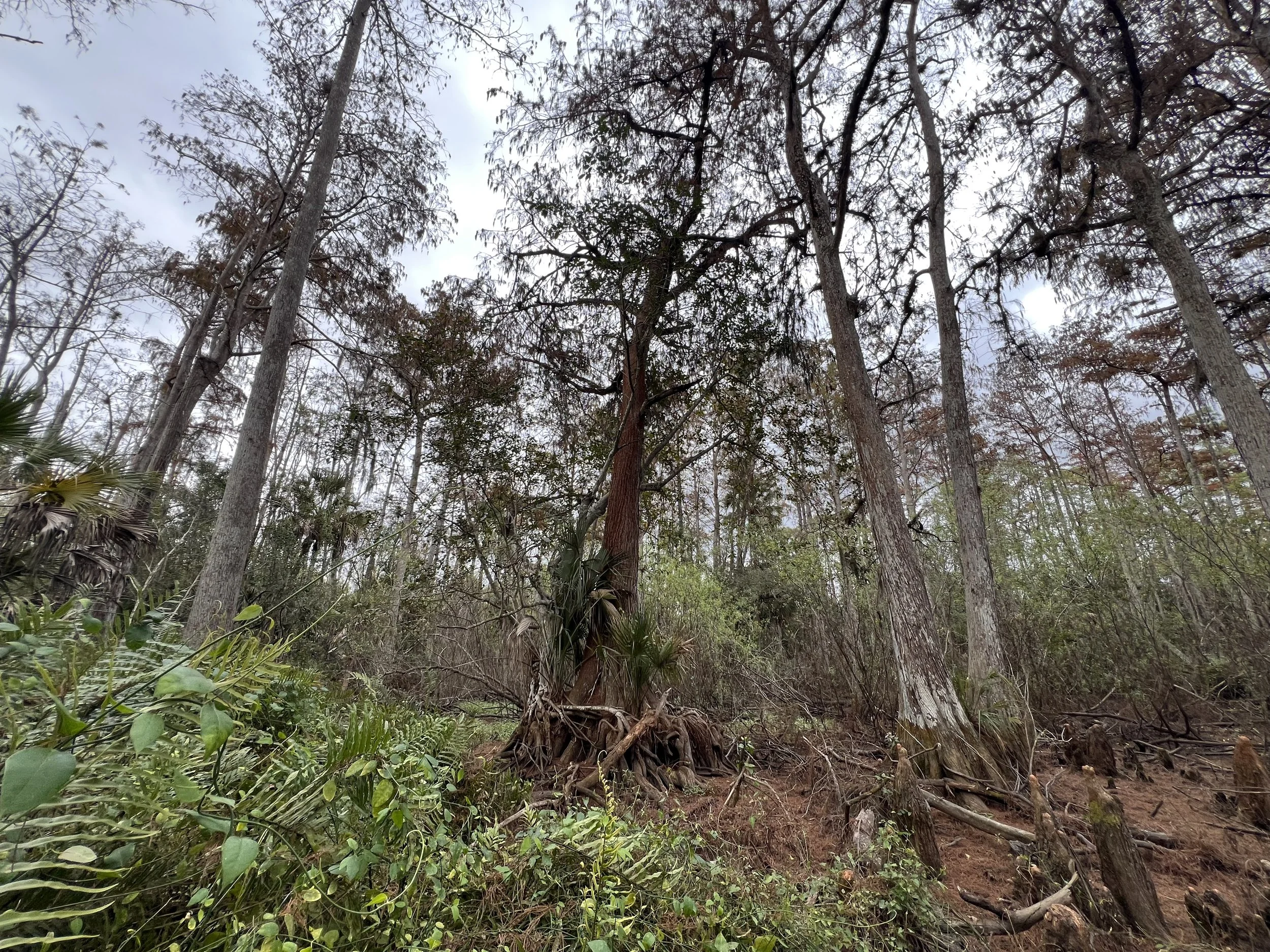
Due to the outdoor, field-based nature of this course, participants may encounter conditions and hazards that cannot be fully anticipated. These may include, but are not limited to, slips, trips, and falls; uneven terrain; sharp objects; insects; venomous snakes; large wildlife; alligators; heat or cold stress; ticks and chiggers; and contact with irritating vegetation.
That said, the field component of this course presents no greater health or safety risk than what a typical wetland professional would expect during a standard field assignment.
Resources on Wetland Determinations and Delineations
The science and guidance behind every defensible delineation.
National Wetlands Inventory: Interactive maps and data identifying wetlands and deepwater habitats across the United States.
Natural Resources Conservation Service Hydric Soils: Official soil data and guidance used to identify hydric soils, one of the three key wetland criteria.
Section 404 of the Clean Water Act: Federal permitting program that regulates dredge and fill activities in waters of the United States, including wetlands.
Society of Wetland Scientists: Professional organization dedicated to wetland research, practice, education, and policy.
U.S. Environmental Protection Agency information on Wetlands Protection and Restoration: Overview of federal programs, guidance, and resources supporting wetland protection, restoration, and regulatory compliance.